
Soil organic carbon stocks as driven by land use in Mato Grosso State: the Brazilian Cerrado agricultural frontier
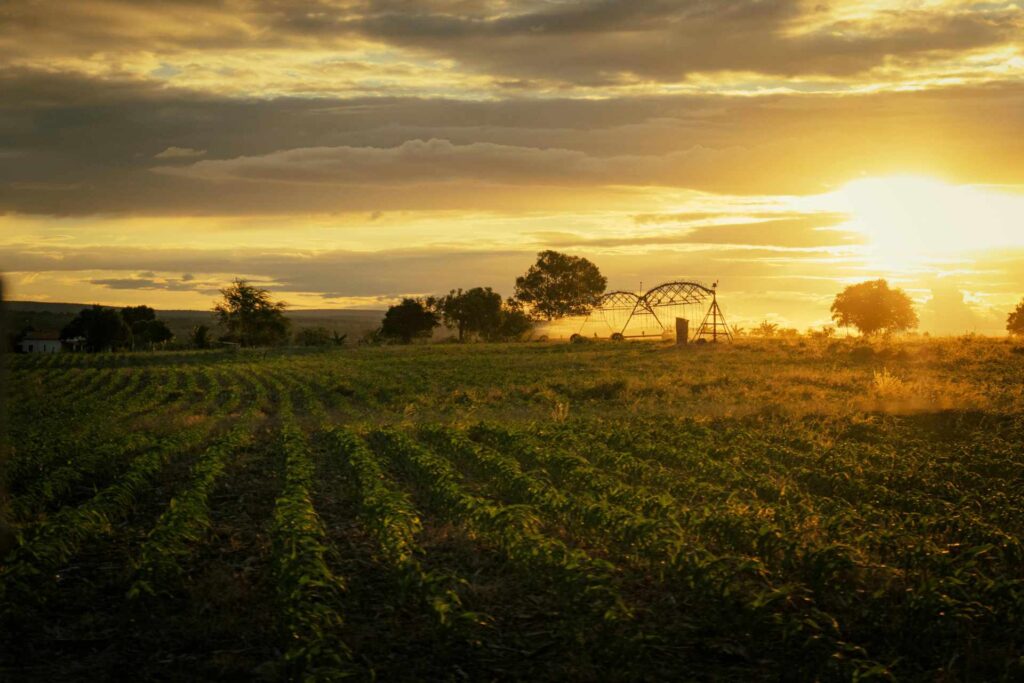
Chukwudi Nwaogu, Bridget E. Diagi, Chinonye V. Ekweogu, Adedoyin Samuel Ajeyomi, Christopher C. Ejiogu, Enos I. Emereibeole, Patrick S. U. Eneche, Onyedikachi J. Okeke, David O. Edokpa, Enyinda Chike, Famous Ozabor, Obisesan Adekunle, Vremudia Onyeayana Wekpe, Osademe Chukwudi Dollah, Eshenake Ogaga, Hycienth O. Nwankwoala, Edwin Wallace, Chinedu Onugu, Temiloluwa Fajembola & Mauricio R. Cherubin Abstract […]
Modeling soil organic matter changes under crop diversification strategies and climate change scenarios in the Brazilian Cerrado

Jorge Luiz Locatelli, Stephen Del Grosso, Rafael Silva Santos, Mu Hong, Ram Gurung, Catherine E. Stewart, Maurício Roberto Cherubin, Cimélio Bayer, Carlos Eduardo Pellegrino Cerri Highlights Long-term soybean-cotton succession shows soil organic carbon (SOC) depletion. Complex crop rotation with cover crops showed the highest SOC sequestration rates. Including ruzigrass in succession systems can boost C […]
Soil greenhouse gas fluxes partially reduce the net gains in carbon sequestration in mangroves of the Brazilian Amazon
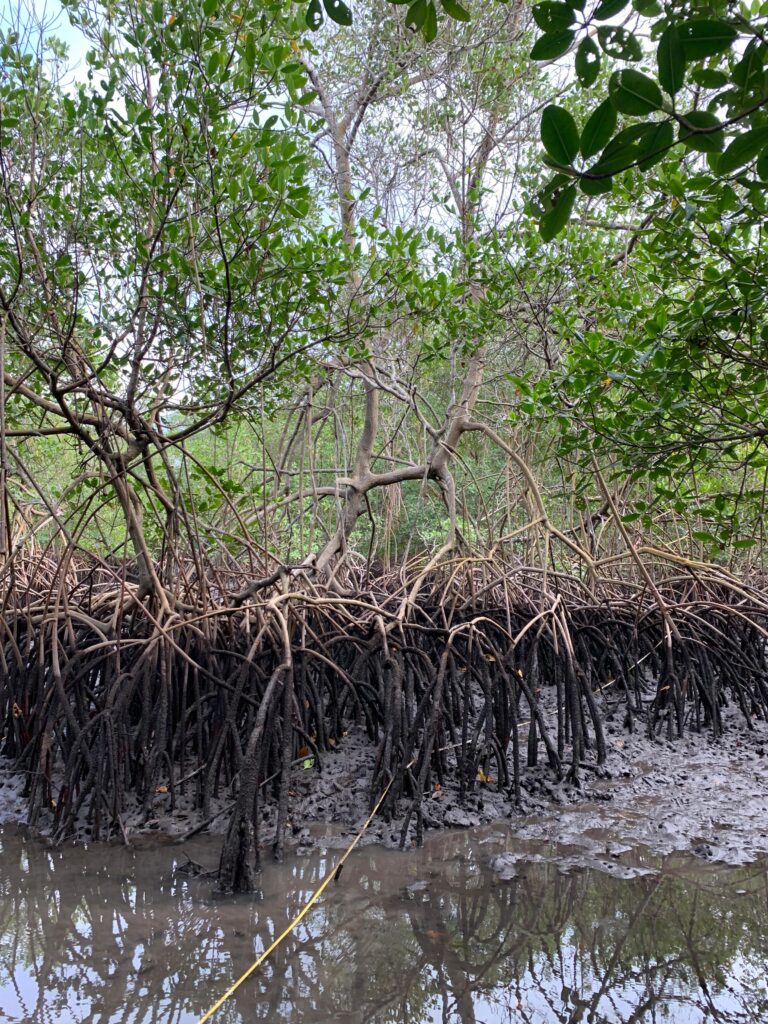
Angelo F. Bernardino, Hermano M. Queiroz, Gabriel N. Nobrega, Gabriel C. Coppo, Christian J. Sanders, Antonio E.B. Silva, J. Boone Kauffman, Rodolfo F. Costa, Carla F. Pacheco, André Vassoler, Araiene P. Pereira, Francisco Ruiz, Tiago O. Ferreira Highlights We report soil GHG fluxes and carbon burial from Amazon mangroves. Greater methane offsets in freshwater mangroves […]
Shallow soils in dryland ecosystems: Drivers of C accumulation and land management implications
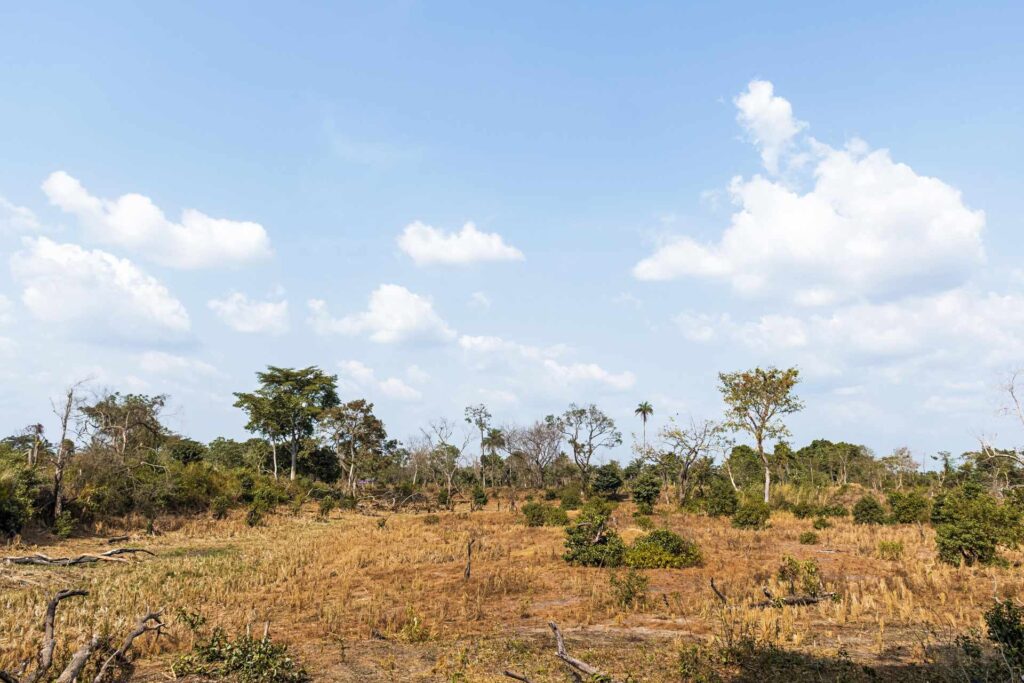
C. Roberto Pinheiro Junior, Tiago Osório Ferreira, José de Souza Oliveira Filho, Hermano Melo Queiroz, Lucas Pecci Canisares, Lucas T. Greschuk, Carlos Eduardo Pellegrino Cerri, Marcos Gervasio Pereira, Gonçalo Amarante Guimarães Pereira, Maurício Roberto Cherubin Abstract Shallow soils (i.e., Lithic Entisols) cover about 20% of Brazilian drylands. Inherent soil characteristics (i.e., shallow depths) and water […]
Drivers of carbon stabilization and sequestration in Brazil’s black soils
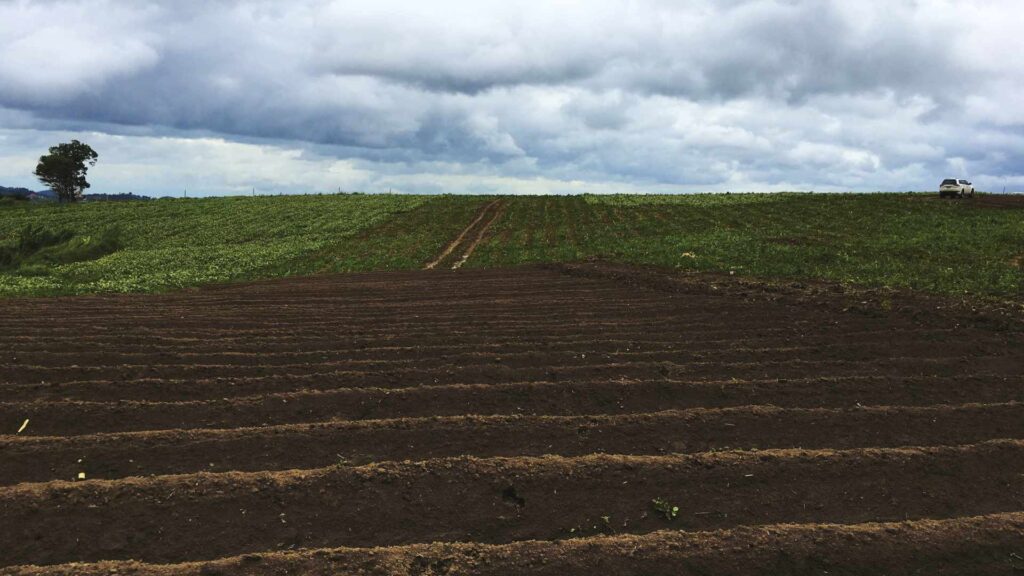
C. Roberto Pinheiro Junior, Lucas Pecci Canisares, Marcel Carvalho Abreu, Gustavo Bastos Lyra, Aline Pacobahyba de Oliveira, Lucas Tadeu Greschuk, Tiago Osório Ferreira, Marcos Gervasio Pereira, Lúcia Helena Cunha dos Anjos, Maurício Roberto Cherubin Highlights he total soil organic C stored in Brazil’s black soils is about 0.35 Gt. Changes on C stock are not […]
Impact of climatic seasons on the dynamics of carbon, nitrogen and mercury in soils of Brazilian biomes affected by gold mining
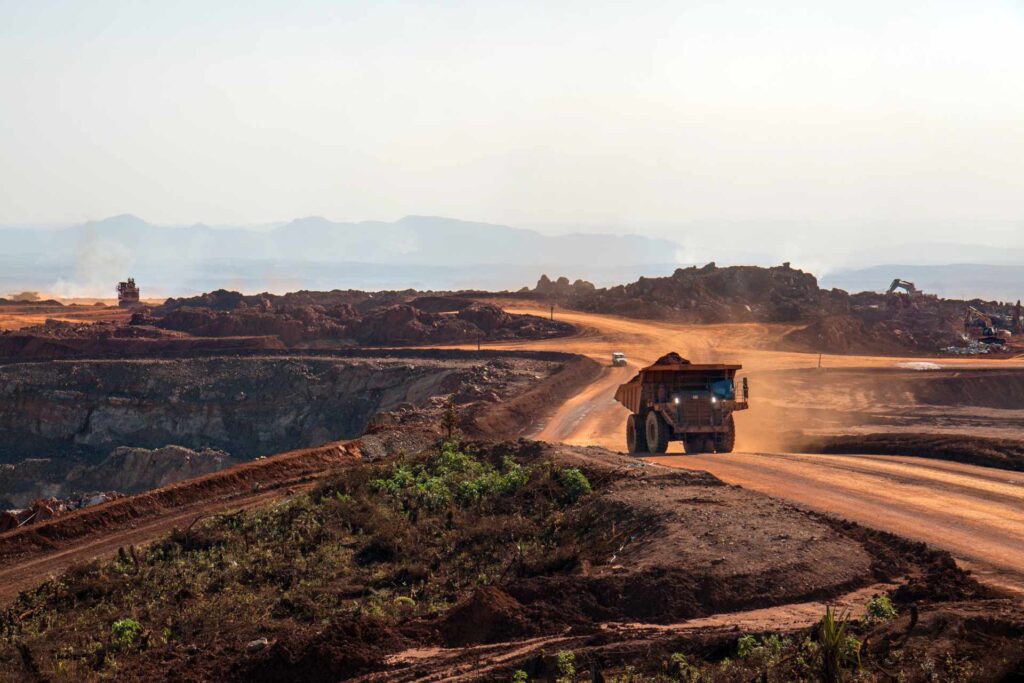
Matheus B. Soares, Rebeca R. Rodrigues, Laura O. Péres, Carlos Eduardo P. Cerri, Luís Reynaldo F. Alleoni Land use change, especially mining activities, contributes to anthropic CO2 emissions, leading to decreased carbon (C) storage and loss of biodiversity. Artisanal gold mining associated with the use of mercury (Hg) for amalgamation may change soil organic matter […]
Optimizing Byproduct Processing for Clean Label Foods: Avocado and MSM-Tambaqui With a Focus on Zero Waste

Leandro Presenza, Bianca Ferraz Teixeira, Luis Felipe de Freitas Fabrício, Renato Grimaldi, Juliana Antunes Galvão, Thais Maria Ferreira de Souza Vieira Abstract Agricultural byproducts, often discarded, possess significant nutritional value and technological potential. This study investigates the efficacy of ethanolic-water extracts from avocado (Persea americana Mill.) byproducts, obtained with minimal solvent use through optimized extraction, in […]
Soil Quality Evaluation in Mono and Mixed Eucalypt Plantation

Soil quality (SQ) pertains to the intricate and ongoing capacity of soil to function as a thriving ecosystem that supports the growth of plants and animals. However, there is a limited understanding of SQ assessment in mixed forest plantations. Therefore, we formulated and tested the hypothesis that the inclusion of a nitrogen-fixing tree species (such […]
Greenhouse gas fluxes in brazilian climate-smart agricultural and livestock systems: A systematic and critical overview

Tropical climate-smart agriculture could be a cost-effective and scalable nature-based solution toward achieving net-zero greenhouse gas (GHG) emissions in the coming decades. Nevertheless, the lack of integrated on-farm CO2, CH4, and N2O flux measurements remains a barrier to including these systems in certification programs and the carbon (C) market. This systematic literature review critically examines […]
Advancing the agave-soil nexus approach: A systematic review

Agave plants, found primarily in arid and semi-arid regions, have been utilized by indigenous communities for various purposes for thousands of years. They currently serve as crops to produce alcoholic beverages and fibers. Despite their importance, there is limited understanding of the relationship between agave and soil. This article addresses some of the knowledge gaps […]